Tallinn Old Town Resort Hotel
E-mail was not added
E-mail was added

Sightseeings


Old Town

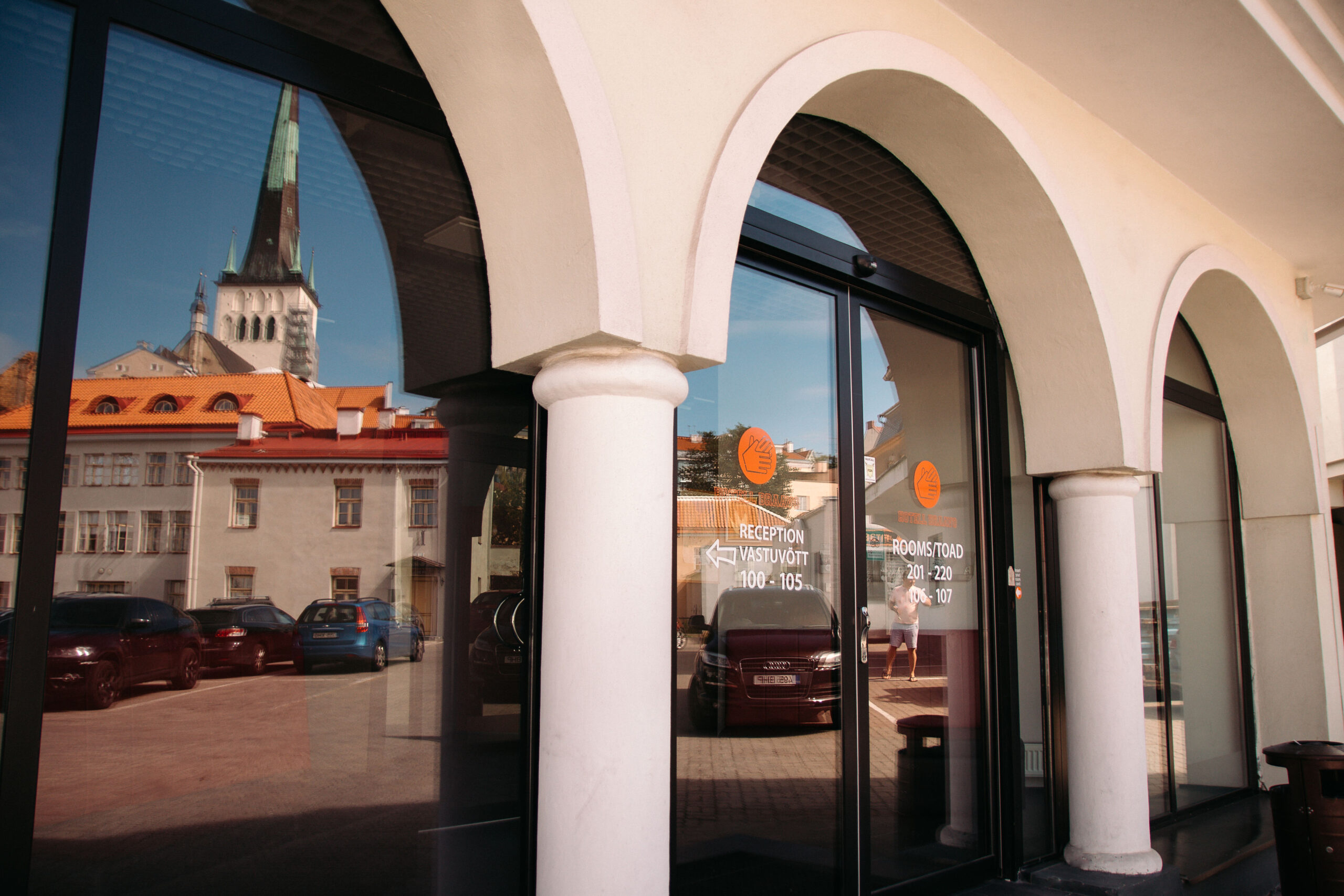
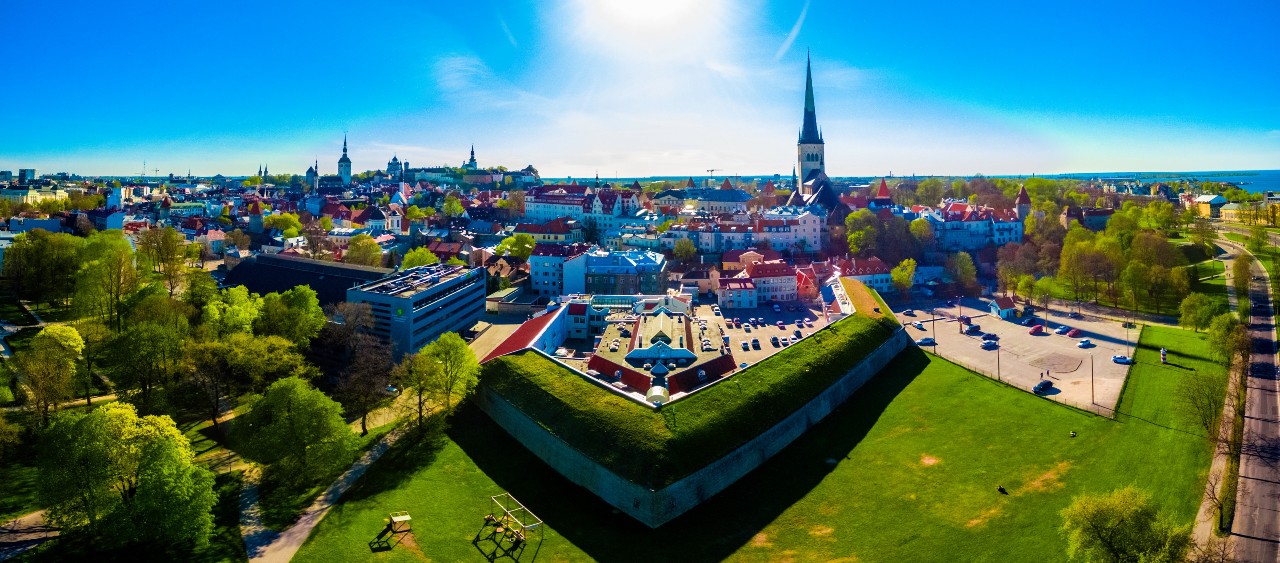
Tallinn’s Old Town is the medieval part of the town belonging to the list of UNESCO World Heritage Sites. Its oldest city walls, guard towers and churches date back to the 13th century.

Kadriorg

The emergence and development of Kadriorg was mainly influenced by the high society of the tsar’s empire and the wealthy locals. The impressive architecture of Kadriorg’s historical wooden houses preserved up to this day also indicates that it is a wealthy seaside resort.

Even today Kadriorg is one of the more dignified areas and one of the best loved residential regions of Tallinn. The Estonian president’s residence and many foreign embassies are located here. The park is one of the favourite walking-spots of Talliners.

Kadriorg is also the home for Estonia’s largest art museum KUMU, with the complex itself being considered an architectural work of art. The museum holds a unique collection of Estonian national art while temporary exhibitions also offer visitors a chance to see art from all over the world.

Pirita

Pirita, situated about 5 km north-east from Tallinn’s city centre, is named after the Order of St. Bridget’s Virgin Mary Cloisters.
Today Pirita is one of the most favoured locations of Talliners for spending their leisure hours with its bathing beaches, coastline, pine-forested parks and the scenic Pirita River valley. The area offers various possibilities for spending an active vacation. Tallinn’s Botanical Garden has grounds on both shores of the Pirita River, neighbouring the Forest Cemetery and Tallinn’s TV Tower which at the height of 170 meters offers a view of the entire town and its surroundings.

Rocca al Mare

Rocca al Mare is a district on the sandstone bank of the south-west coast of Tallinn’s Kopli Bay. The seaside location of the district is also reflected in the name Rocca al Mare which translates as ‘rock by the sea’. Rocca al Mare includes a number of places worth visiting in Tallinn, such as the Estonian Open Air Museum and the marvellous beach. The area has developed into an attractive recreational centre that provides cultural experiences, relaxation and a variety of opportunities for sports and shopping.

Museum of Occupations

The main exposition of the Museum of Occupations (opened in 2003) retells the events of 1940-1991, during which time Estonia was occupied by the Soviet Union, Germany and once again by the Soviet Union.

For more information, visit http://www.tourism.tallinn.ee/eng